Showing posts with label recipe. Show all posts

Sunday, February 27, 2011

Olive Bread Rolls with Whole Grain Flour and Kalamata Olive Paste

I love to make a nice breakfast on Sundays, so last night I prepared these olive bread rolls with whole grain flour and kalamata olive paste. Here's the recipe:

Ingredients:

1 kg whole grain flour
3 cups of lukewarm water
20 g dried yeast
1 jar of kalamata olive paste
3 tbsp olive oil
1 tbsp salt
1 tbsp sugar
poppy seeds in a small bowl (for decoration)


Directions:

You put the flour in a large bowl and then add the yeast. Mix well and add the salt and sugar. Pour in the olive oil and the paste, and use your fingers to incorporate it. Then, make a well in the center and pour in the water. Gradually add flour from the sides until the dough starts to form. Then knead well and cover with cling film and a small blanket, to keep the dough warm. Leave to rise for a couple of hours. After that, line a tin with baking paper and make the dough into rolls, dip the top into the bowl with poppy seeds and place them on the tin. Bake for 40 minutes in a pre-heated oven.


Enjoy!

Sunday, September 12, 2010

Baking: Boiled Must Pie

Grape juice (must) is consumed fresh, or it will soon start to ferment. To be stored for the winter it has to be boiled, traditionally with ash so that all impurities will be removed in the process, and so it ends up being boiled must, which is actually a thick syrup, safe to put in bottles and enjoy all year.

In Greece we use boiled must as a sweetener in many cakes, cookies and desserts. In the old days it was used almost exclusively, along with honey, because sugar was too expensive and exotic for the masses.

A neighbour who owns a vineyard gave me a whole bottle of boiled must yesterday (!), so I couldn't wait for the weather to get really cold, I just had to start baking! Besides, I only needed a cup of it, so there's still plenty more to last...

This is the recipe I have from my mum, so I used it and thought you might like to try it yourself.


INGREDIENTS

3 1/2 cups of self-raising flour
1 tsp bicarbonate soda
1 tsp ground cinammon
1/2 tsp ground clover
1/2 cup chopped walnuts
1/2 cup currants
1/2 cup sultanas
1 cup olive oil
1 cup boiled must
1 cup orange juice
1/2 caster sugar
1/4 cup brandy (optional)

SERVES: 16
PREPARATION TIME: 30'
BAKING TIME: 50', medium


PREPARATION

Sift the flour in a large bowl and then throw in the sugar, the soda, the cinammon and the clover, mixing them all with a spoon. Make a well in the centre and pour in the liquids, i.e. the olive oil, the boiled must and the orange juice, using a whisk to blend everything into a mixture. It should be thick, but not too thick. Finish with the currants, sultanas and walnuts, add brandy to taste, whisk some more, and voila!, ready to be baked in a greased pan, of 11 inches (28cm) diameter or similar. Use a toothpick to determine if it is ready after 45 minutes. It will be dark anyway, so you can't tell by the color! Leave to cool...


...and serve!


NOTES:

1. I need to stress that this is probably not safe for nut allergy sufferers. But you can always leave the walnuts out!

2. You can make home-made boiled must directly from grapes, just make sure you filter any impurities out and remove the foam from the grape juice while boiling. It should be OK.

Enjoy!

Saturday, May 8, 2010

Traditional Greek Lemon Sweet


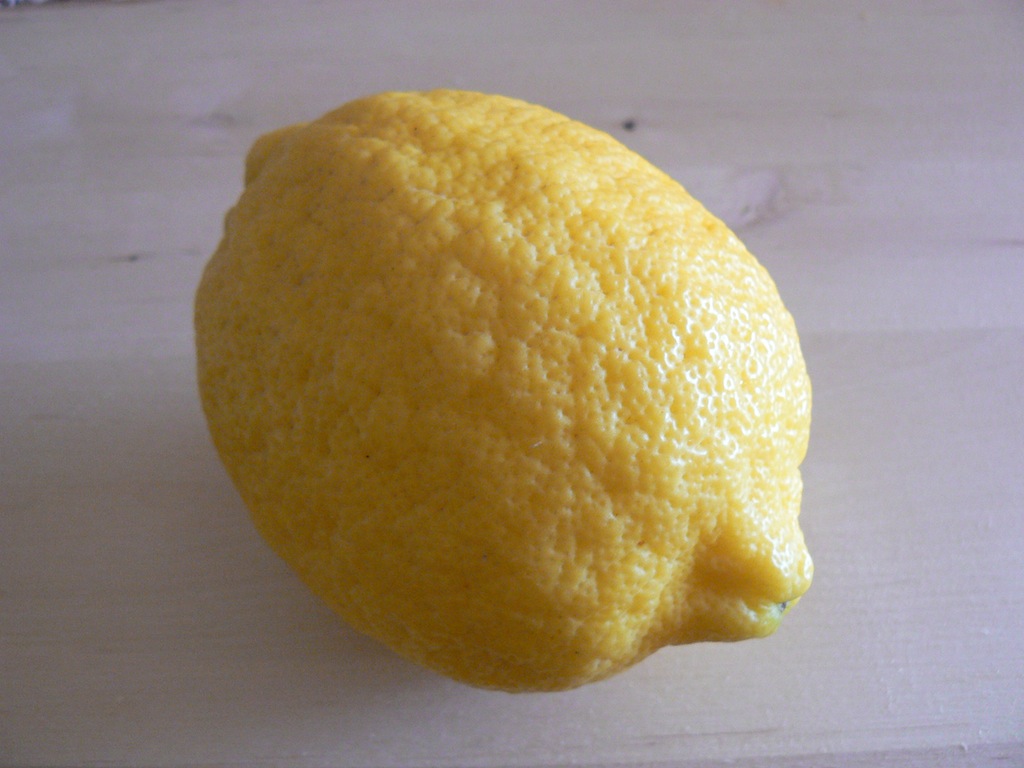
A friend, who has a sweet lemon tree in her garden, gave me a large and heavy bag full of sweet lemons the other day. As they were too big to be used otherwise in the kitchen, I thought I should try and make them into a traditional Greek sweet fruit preserve, which is excellent when a 'hospitality emergency' arises, or just amazingly refreshing with Greek coffee and cold water, not to mention how wonderful it is as a dessert after a meal -tastes pretty much like 'limoncello', only without the alcohol. If you don't have large, sweet lemons, you can use bergamots or oranges in exactly the same way.


INGREDIENTS

7-8 large sweet lemons, or oranges or bergamots, preferably with a thick rind
1 kilo of sugar per kilo of fruit
approx. 750ml water
a few drops of lemon juice


PREPARATION

1. Weigh the fruit and adjust the amount of sugar that you are going to need.


2. Wash the lemons and start zesting them, using the grater. You may find this a tedious job, but do not give up! OK, you may take a rest for a few minutes...


3. Now for the somewhat tough part: Cut the lemons in quarters, and use a knife and a spoon to remove the flesh of every quarter, occasionally using your hand to feel your way between the flesh and the rind, while you're separating them. You may want to keep your eyes closed in the meantime... Place the remaining rinds (the thick skins without the zest) in a large pan.


4. Once you're done with that, pour water into the pan, enough to cover the quarters of the rinds, and bring to the boil. Then lower the heat, and let simmer for 15 minutes.

5. Empty the water from the pan, and let cold water run onto the rinds, which by now should be rather soft and flexible. When they're OK to touch, start tri-folding the quarters and securing each of them with a toothpick.


6. Pour cold water again, and bring to the boil, then lowering the heat and simmering for 10 minutes. Again empty the water. Repeat the simmering for a third time.

7. Remove the pieces and empty the remaining water from the pan. You will now make the syrup for the sweet. Use 750ml of water and approx. 1 kg of sugar per kilo of your fruit. Once the mixture is starting to boil, place the folded pieces of the fruit inside, and lower the heat. Simmer until the syrup starts to thicken, not forgetting to pour a few drops of lemon juice, so that the sugar does not crystallise.


8. Remove the toothpicks, and put the sweet into jars before it gets completely cold. Do not cover yet: Let them get at room temperature, cover with a cloth for about 12 hours or more and then cover with the lids.


Good luck, and enjoy!